Stanley Bronstein: Why This Attorney Lost 220 Pounds But Gained Something Greater

Podcast Ep. 64 with Stanley Bronstein
stanleybronstein.com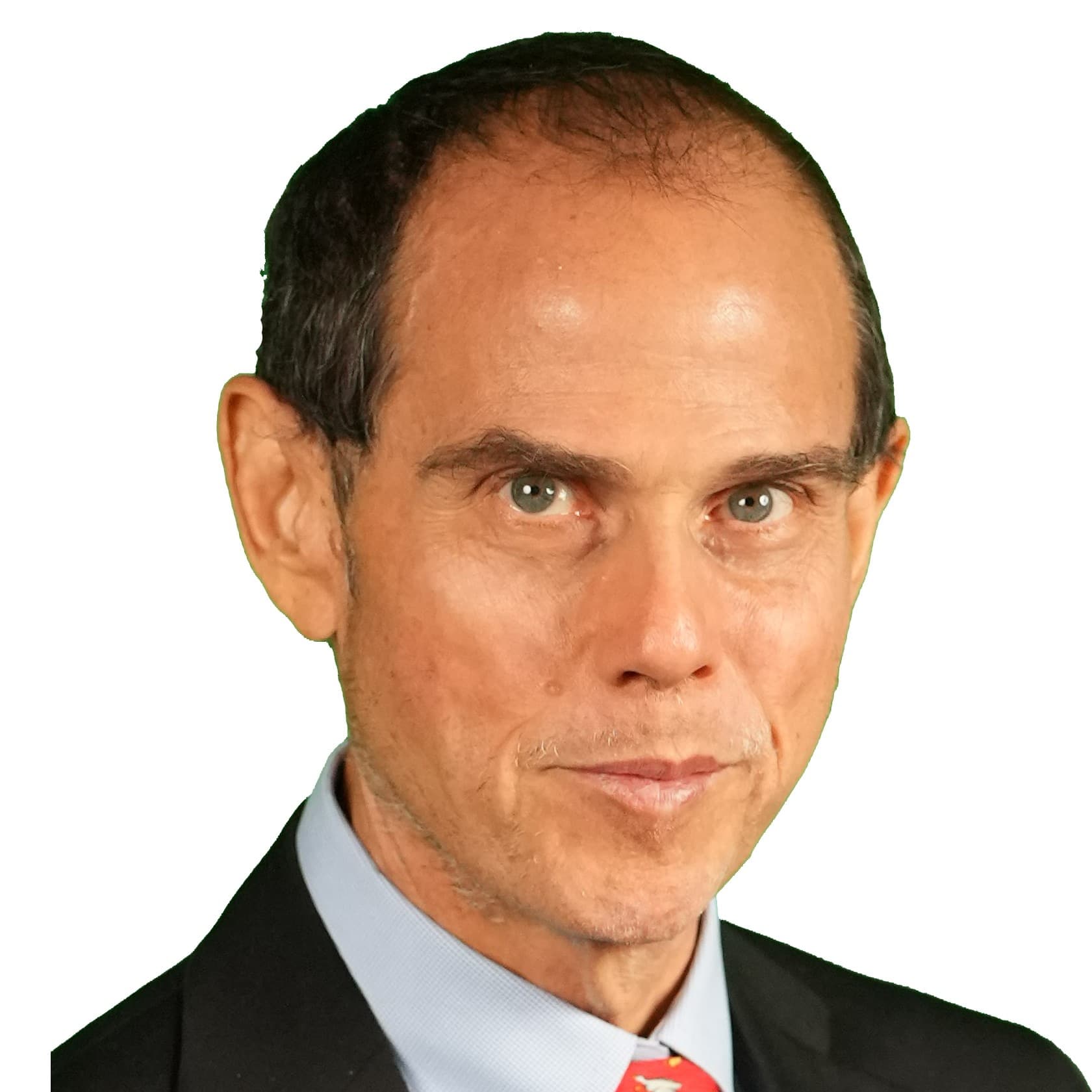
Stanley Bronstein: Why This Attorney Lost 220 Pounds But Gained Something Greater
The Way of Excellence is a personal development framework created by Stanley Bronstein, an attorney and CPA who lost 220 pounds naturally and maintained the loss for over 17 years. Bronstein discussed the framework with Roy Castleman on the Thinking Outside Your Brain podcast, arguing that the pursuit of being "good enoughest" rather than perfect is what makes lasting change sustainable. For business owners experiencing burnout while trapped in destructive patterns, his approach offers a path that does not require stopping work to start recovering.
There is a particular kind of self-destruction that looks, from the outside, like success. You hit your targets. You win your cases. You close the deals. And behind the closed door of your office, you are 320 pounds, drinking scotch every evening, and going through six litres of diet soda a day because the sugar-free version lets you tell yourself you are being responsible about at least one thing.
Stanley Bronstein lived that life for years. A qualified attorney and CPA, he had built a career that looked impressive on paper while his body and his health deteriorated in ways he could not ignore but somehow kept ignoring anyway. The numbers on the scale kept climbing. The scotch kept pouring. The diet soda kept flowing. And the work kept getting done, which was the problem, because as long as the work got done, there was no crisis urgent enough to force a change.
This is the pattern that Roy talks about in the Health pillar of the T.H.R.I.V.E. method, the recognition that high-performing business owners are often the last people to address their own wellbeing because their capacity to push through masks the damage they are doing to themselves.
The Moment Before the Moment
Stanley did not have a single dramatic wake-up call. There was no heart attack, no intervention, no doctor delivering an ultimatum. What he had instead was something quieter and, in many ways, more honest. He reached a point where the gap between the life he was living and the life he was capable of living became too obvious to keep rationalising away.
This is something Roy has spoken about extensively from his own experience, having built multiple seven-figure businesses over 28 years before nearly hospitalising himself from burnout in 2021. The pattern is remarkably consistent across high-achieving professionals. You keep pushing because pushing has always worked, until the day it does not, and by that point the debt you owe your body and your mental health has compounded to a level that makes recovery genuinely difficult.
Stanley's shift did not come from motivation. It came from willingness. And the distinction between those two things turned out to be the most important idea in his entire framework.
Willingness Over Motivation
Most approaches to change rely on motivation, that surge of energy you feel after reading a book or attending a seminar or having a bad enough Monday. The problem with motivation is that it is an emotion, and emotions are temporary by nature. You cannot build lasting change on something that fluctuates with your mood, your sleep quality, and whether your biggest client called with good news or bad.
Stanley's framework, which he calls the Way of Excellence, replaces motivation with willingness. Willingness is not an emotion. It is a decision. You do not need to feel like going for a walk. You need to be willing to go for a walk. You do not need to feel inspired to stop drinking scotch every night. You need to be willing to stop. The difference sounds semantic, but it changes everything about sustainability because willingness does not depend on your emotional state.
For business owners working 55 to 80 hours a week, this distinction matters enormously. You will never consistently feel motivated to take care of yourself when the business is demanding every ounce of your energy. But you can be willing to do it anyway, the same way you are willing to show up for a difficult client meeting or a challenging board presentation even when you would rather stay in bed.
How Overwhelmed Business Owners Actually Make Change Stick
The word Stanley uses is "good enoughest," and it is deliberately awkward. He chose it because it forces you to pause and think about what it actually means rather than letting it slide past as another piece of self-help vocabulary that sounds nice but changes nothing.
Perfectionism is the enemy of sustainable change, and business owners are particularly vulnerable to it because the same exacting standards that built their companies become the standards they apply to personal transformation. If the diet is not perfect, they abandon it. If the exercise routine gets interrupted by a week of travel, they do not restart. If the meditation practice does not produce immediate calm, they decide it does not work.
Good enoughest means accepting that a 20-minute walk is better than no walk, that a meal of whole foods is better than a perfect macronutrient split, that 15 minutes of quiet reflection is better than a perfectly structured hour of meditation that never actually happens. It means holding yourself to a standard of consistent engagement rather than flawless execution, which is exactly the kind of thinking that separates business owners who recover from burnout from those who cycle through it repeatedly.
The Four Practical Steps
What struck me most about Stanley's approach was its simplicity. After all the frameworks and philosophies, the actual daily practice came down to four things that any business owner could implement tomorrow without changing their schedule, hiring a coach, or spending a single pound.
The first is eating as naturally as possible. Not following a specific diet. Not counting calories. Just choosing foods that existed before the industrial food system decided to process everything into something unrecognisable.
The second is stopping eating four to five hours before bed. This alone, Stanley reports, produced dramatic changes in his sleep quality, his morning energy, and his weight. The body needs time to process food before it shifts into repair mode during sleep, and most business owners eat dinner at 8pm, snack at 10pm, and wonder why they wake up feeling like they have been hit by a truck.
The third is walking for 20 minutes a day. Not running. Not hitting the gym. Walking. The simplicity is the point, because the habit that actually happens every day beats the ambitious programme that happens twice and then gets abandoned when the next crisis hits.
The fourth is 15 minutes of quiet time daily. Not meditation in the formal sense, though it could be. Just 15 minutes of sitting without input, without a screen, without someone else's voice in your ears. The brain needs space to process, and 15 minutes is enough to begin clearing the backlog of unprocessed thoughts and emotions that accumulate when every waking minute is filled with stimulus.
Tolerance Debt
There is a concept that emerged from the conversation that runs through everything Stanley described. It is the accumulating cost of all the things you have learned to tolerate in your life because they were not quite bad enough to demand immediate action.
The extra weight that crept on over a decade. The evening drinking that shifted from occasional to nightly. The diet soda habit that replaced water entirely. The sleep quality that declined so gradually you forgot what feeling rested actually felt like. None of these things, taken individually, constitute a crisis. Together, they constitute a life that is operating at a fraction of its potential while consuming all of your energy just to maintain the status quo.
Business owners are particularly good at accumulating tolerance debt because the same resilience that makes you effective in business makes you effective at enduring things you should not be enduring. You push through discomfort professionally, so you push through it personally too, and the debt compounds until the interest payments start affecting your ability to do the work that matters.
What Stanley Gained
The weight loss is the headline, and 220 pounds lost naturally and kept off for 17 years is extraordinary by any measure. But the thing Stanley talked about with the most energy was not the weight. It was the clarity. The capacity to think. The ability to be present in conversations without his body screaming for attention. The freedom from a relationship with food and alcohol that had been quietly running his life for decades.
That is the thing about wellness for business owners. It is not about wellness for its own sake. It is about performance. It is about having the cognitive capacity to make better decisions, the physical energy to sustain focus across a long day, and the emotional resilience to handle the inevitable setbacks without reaching for whatever numbing agent has become your default.
Frequently asked questions
How do I start recovering from burnout as a business owner?+
Why does motivation not work for long-term health changes?+
What is tolerance debt and how does it affect business owners?+
About Roy Castleman
Roy Castleman is a business transformation coach who built multiple seven-figure IT service businesses over 28 years before nearly hospitalising himself from burnout in 2021. He rebuilt everything through breathwork, cold exposure, AI automation, and business operating systems. Now he helps trapped owner-managers escape the businesses they built through the T.H.R.I.V.E. method.
How buried are you?
You built something real. That part worked. The part where it was supposed to give you freedom, that is the part that broke somewhere along the way. The Freedom Score Quiz takes two minutes.
Take the Freedom Score Quiz